Data Collection & Monitoring Overview
Continuously collect and analyze patient information to support real-time monitoring, early intervention, and informed clinical decision-making.
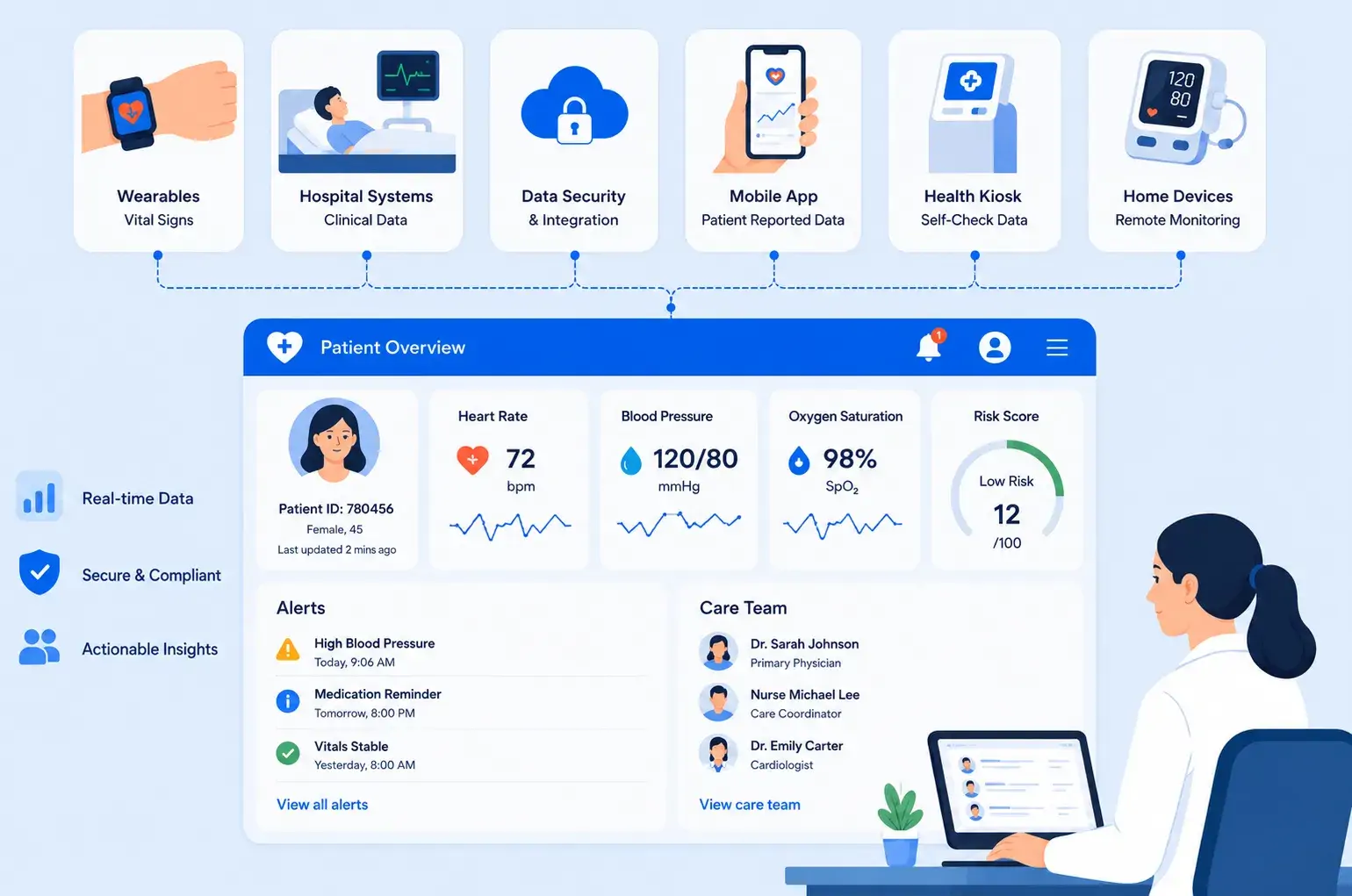
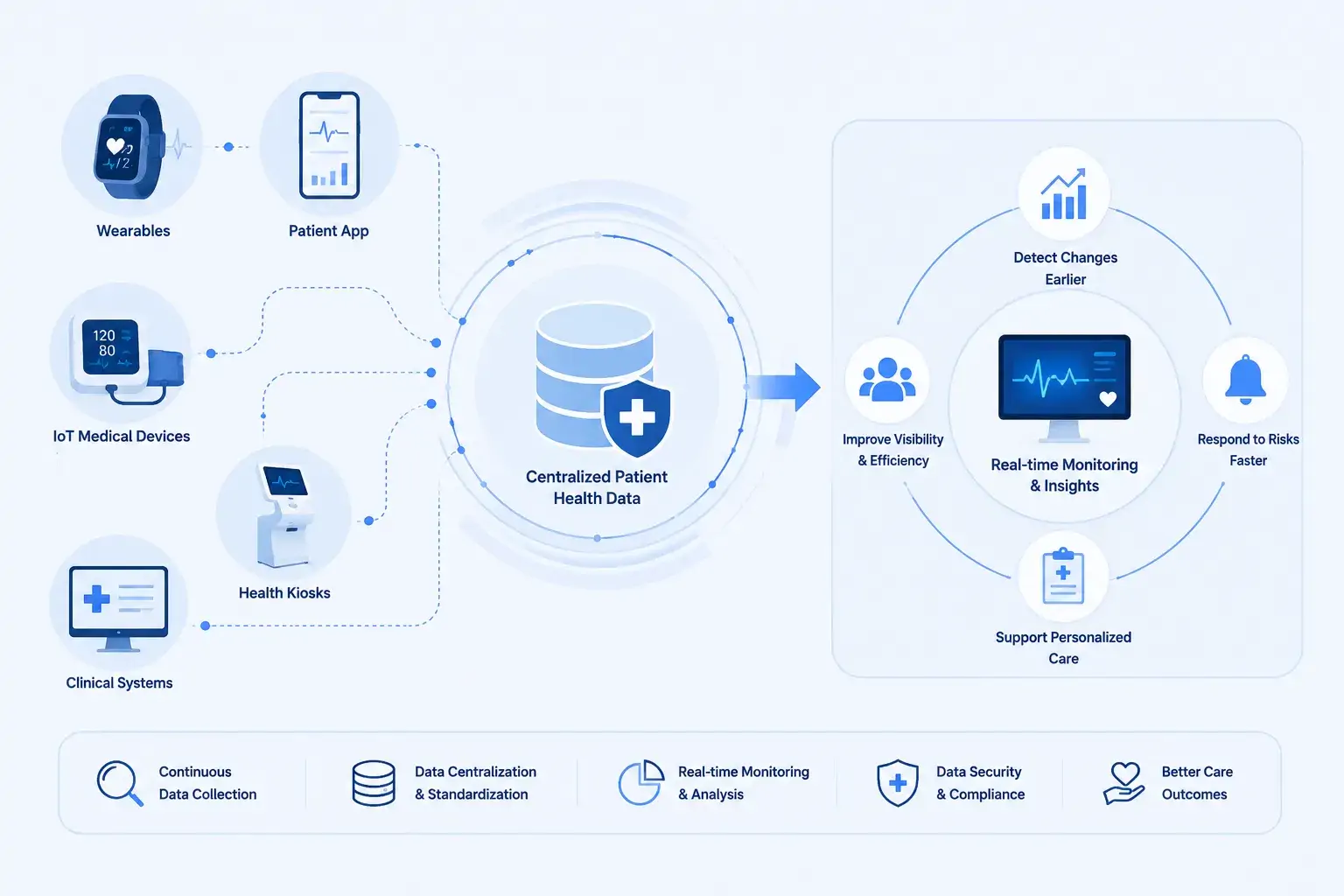
Data Collection & Monitoring in Healthcare is designed to help healthcare providers continuously capture, centralize, and track patient health information across different care settings. It connects data from IoT medical devices, health kiosks, wearables, patient apps, and clinical systems into a unified view for faster assessment and follow-up.
By turning scattered patient data into real-time insights, the solution enables care teams to monitor vital signs, detect changes earlier, respond to risks faster, and support more personalized care. It helps hospitals, clinics, and remote care providers improve visibility, reduce manual data entry, and deliver more connected healthcare beyond the consultation room.
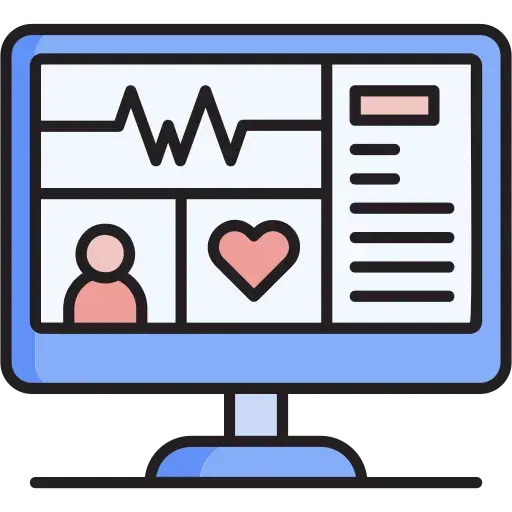
Real-time patient visibility through continuous collection of vital signs, symptoms, and health data.
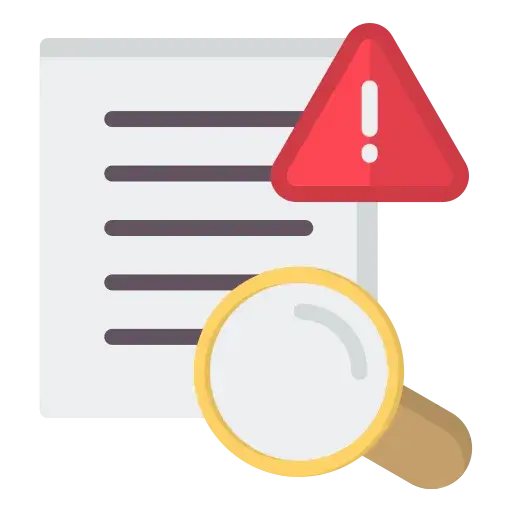
Earlier risk detection with alerts for abnormal readings, changes in condition, or missed follow-ups.
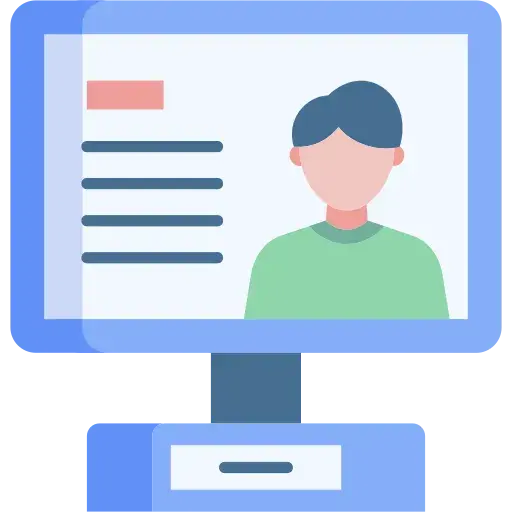
Reduced manual data entry by connecting IoT devices, kiosks, wearables, and patient apps directly into care workflows.
Better care continuity across hospital, clinic, home care, and remote monitoring settings.
More data-driven decisions with patient trends, health history, and monitoring insights available in one view.
Scalable connected care model that supports chronic disease management, post-discharge follow-up, and preventive care.
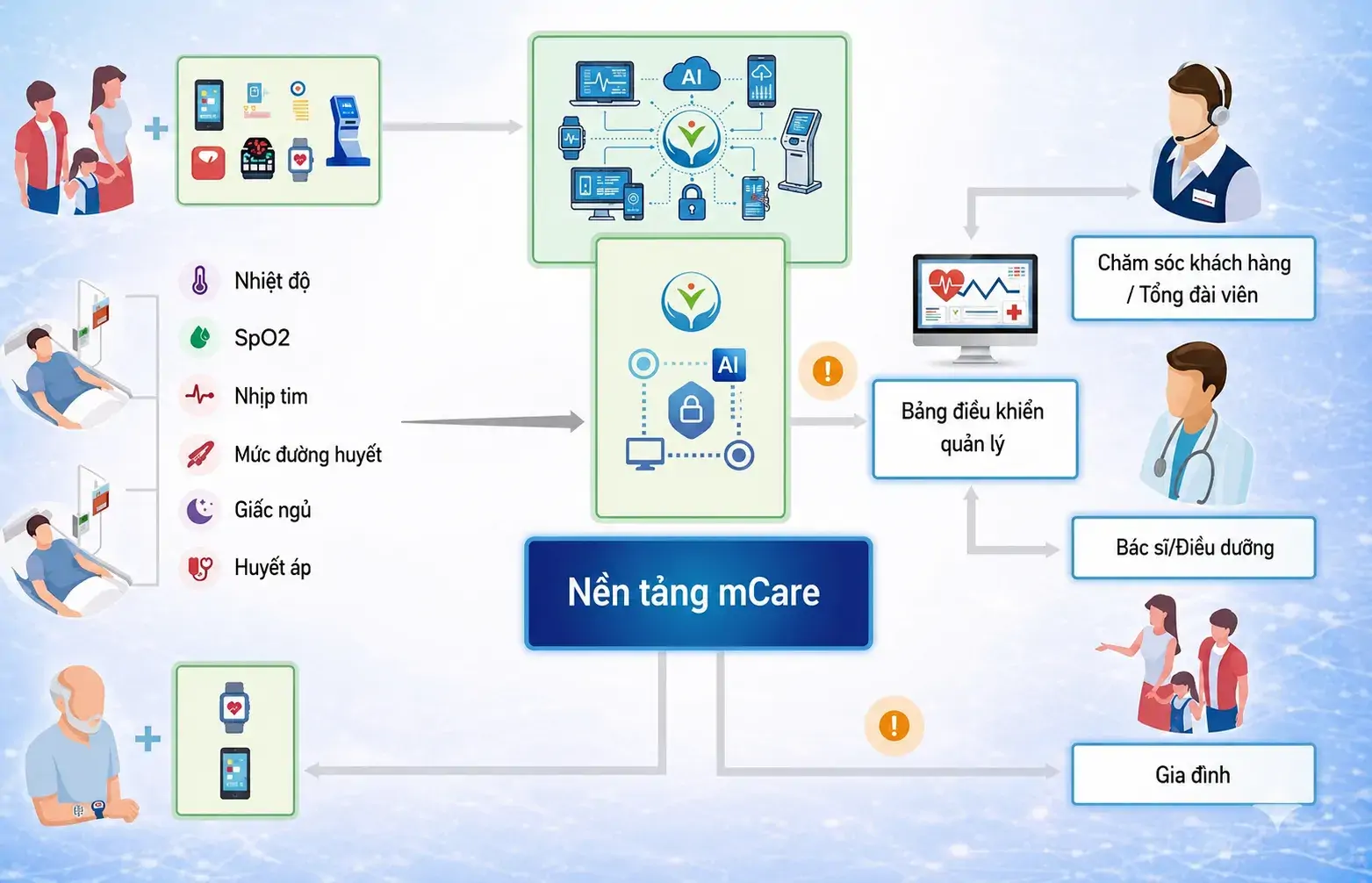
Remote Health Monitoring helps healthcare providers track patient health beyond the hospital through connected wearables, IoT medical devices, and mobile applications. It continuously collects key health data such as heart rate, blood pressure, SpO₂, temperature, activity, and other vital signs, enabling care teams to monitor patient conditions in real time, detect risks earlier, and support faster follow-up for chronic care, elderly care, and post-discharge recovery.
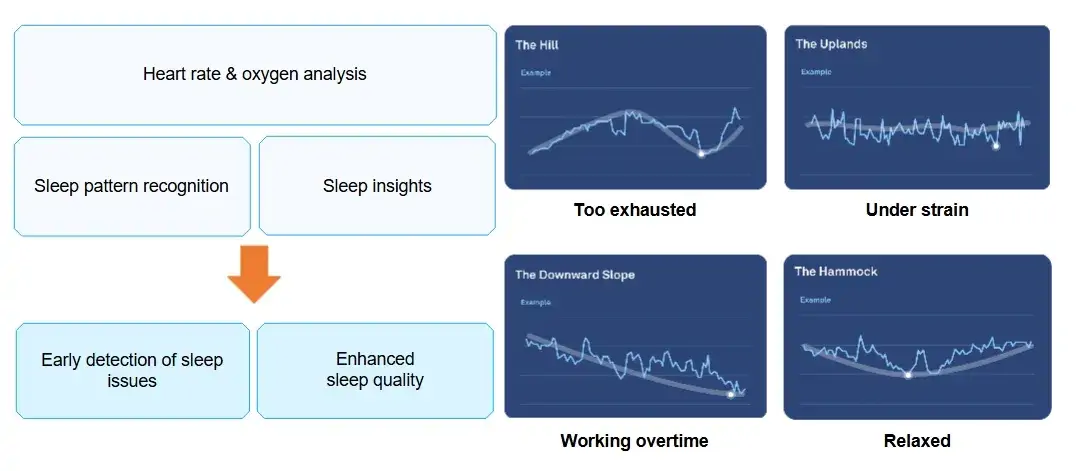
Sleep Quality Data Analysis helps healthcare providers and caregivers understand a person’s sleep patterns using data from wearables, sensors, or connected health devices. It tracks key indicators such as sleep duration, sleep stages, heart rate, movement, breathing patterns, and nighttime interruptions to identify poor sleep quality, abnormal trends, or potential health risks.