Predictive Maintenance
Predicts equipment failures using real-time sensor data, enabling early issue detection and optimized maintenance to maximize operational uptime.
Predicts equipment failures using real-time sensor data, enabling early issue detection and optimized maintenance to maximize operational uptime.
Predictive Maintenance is a system that uses advanced data analytics to forecast equipment failures. By monitoring real-time sensor data, the system identifies early signs of deterioration to optimize maintenance schedules and ensure maximum operational uptime.
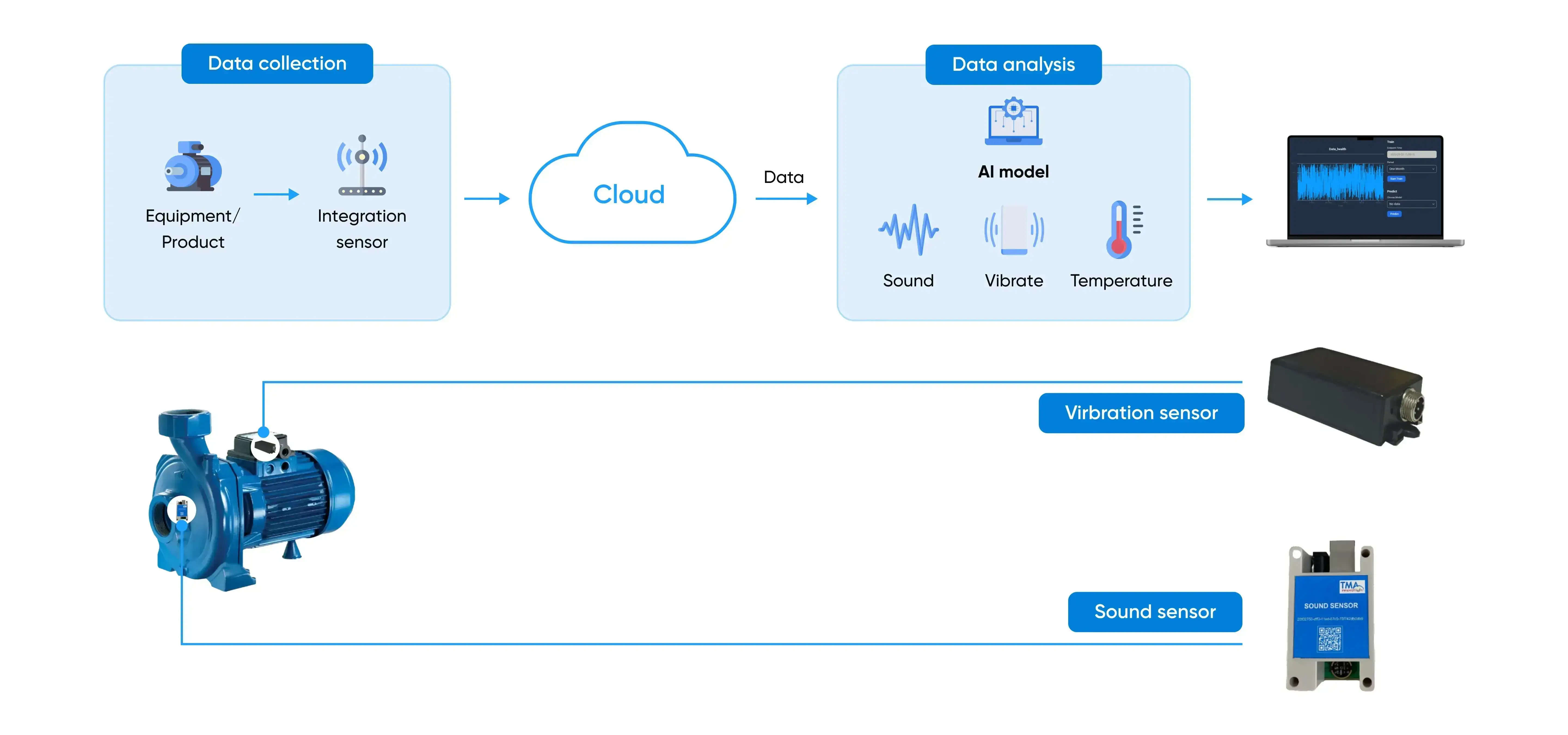

Use AI to forecast precise failure times, diagnose root causes, and recommend corrective actions.

Analyze vibration, temperature, and sound signals simultaneously to pinpoint anomalies.

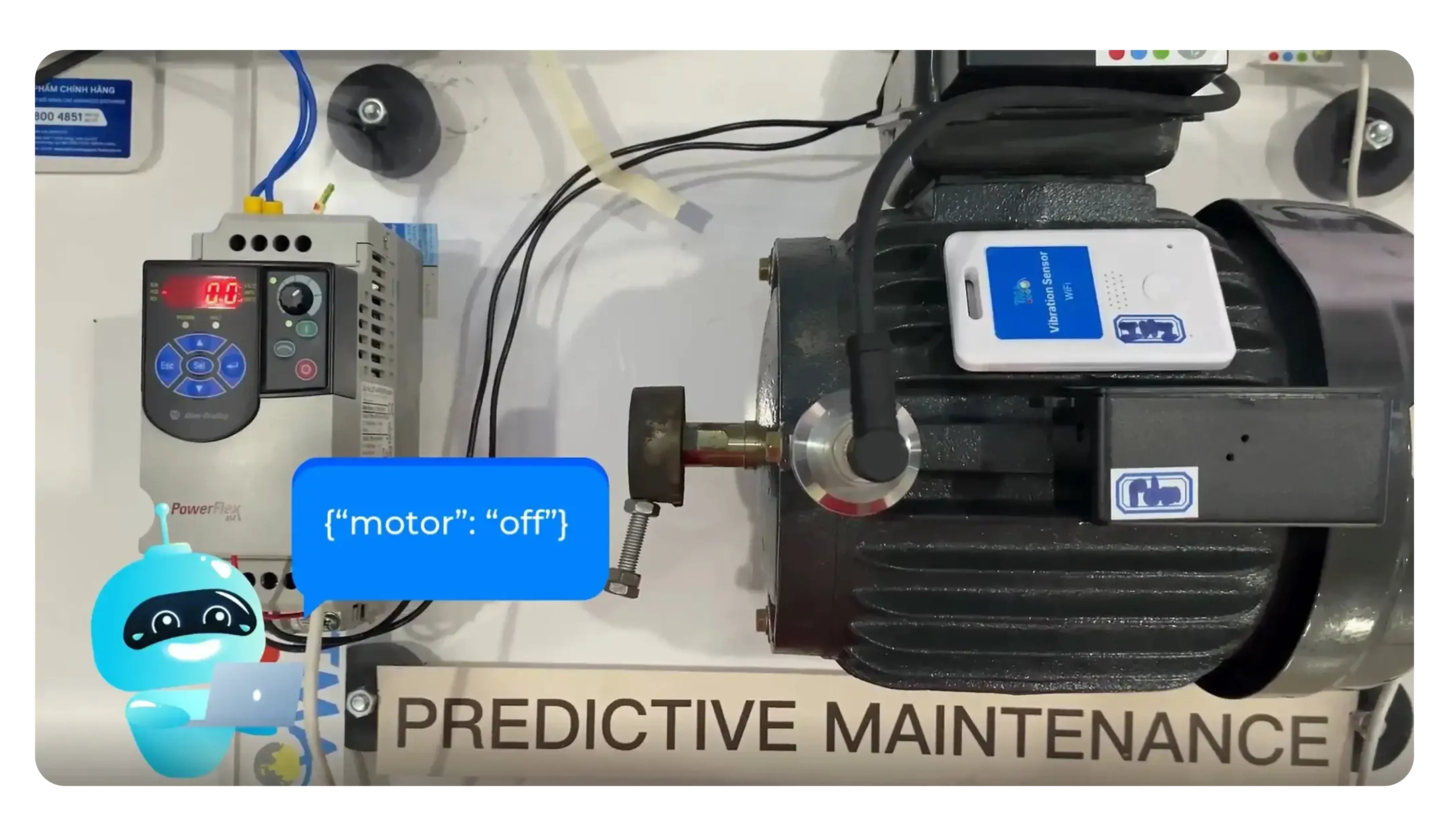
Automatically send a command to stop the device when a critical status is detected to prevent severe damage.
AI applications in manufacturing, energy, and logistics to predict failures and ensure continuous operations.
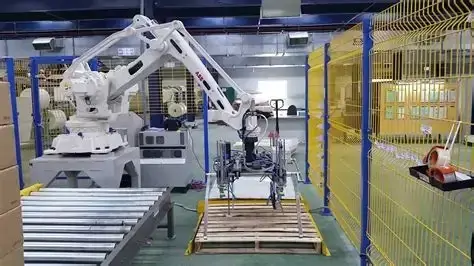
Forecast failures in heavy machinery, robotic arms, and production lines to prevent unplanned downtime.
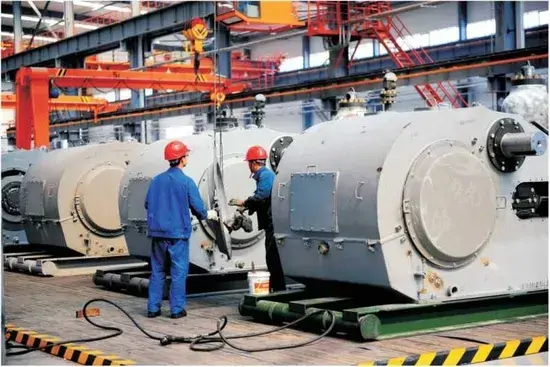
Predict faults in generators, turbines, and high-voltage transformers to maintain continuous power generation and prevent blackouts.
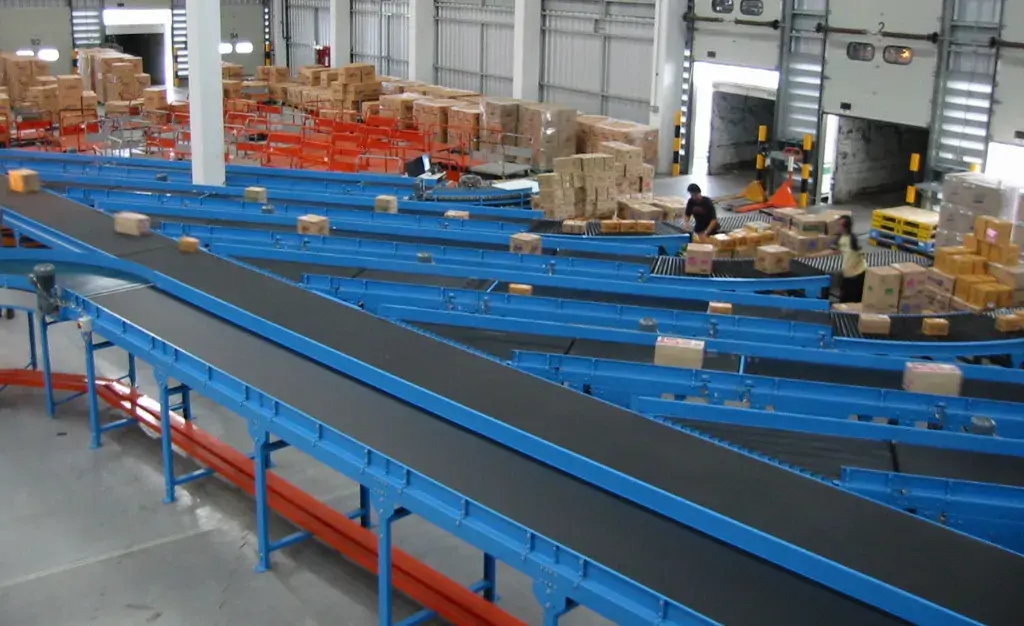
Detect mechanical deterioration in transport fleets and automated sorting systems to avoid delivery delays and supply chain disruptions.
Optimize equipment operations through real-time monitoring, intelligent data analytics, and AI-driven early detection and timely incident response.
Monitor live temperature, humidity, and multi-axis velocity telemetry from devices to maintain an updated operational overview.

Reduce downtime risk, extend equipment lifespan, optimize maintenance costs, and enhance overall system operational efficiency.

Eliminate unexpected equipment breakdowns by identifying and resolving hazards before they escalate.

Prevent premature failure and protect high-value assets through optimized operating conditions.

Save on emergency repair expenses and reduce unnecessary routine checks through data-driven scheduling.

Boost overall productivity by ensuring machinery always operates at peak performance levels.
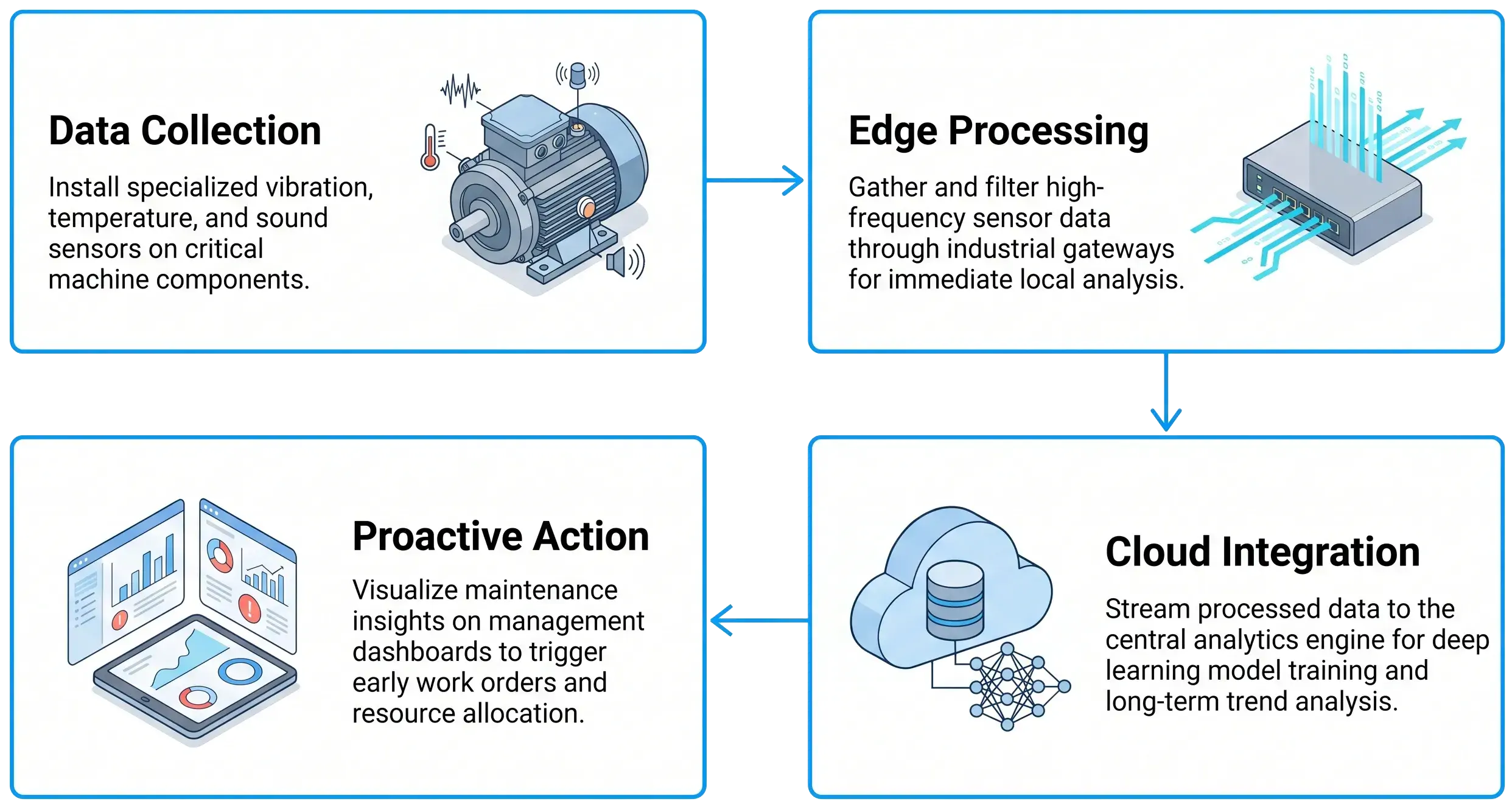
A robust implementation process from data collection to analysis and proactive operational risk prevention.