Soundbased Defect Detection
Leveraging advanced acoustic analysis, this solution identifies anomalies in real-time, optimizing manufacturing processes.
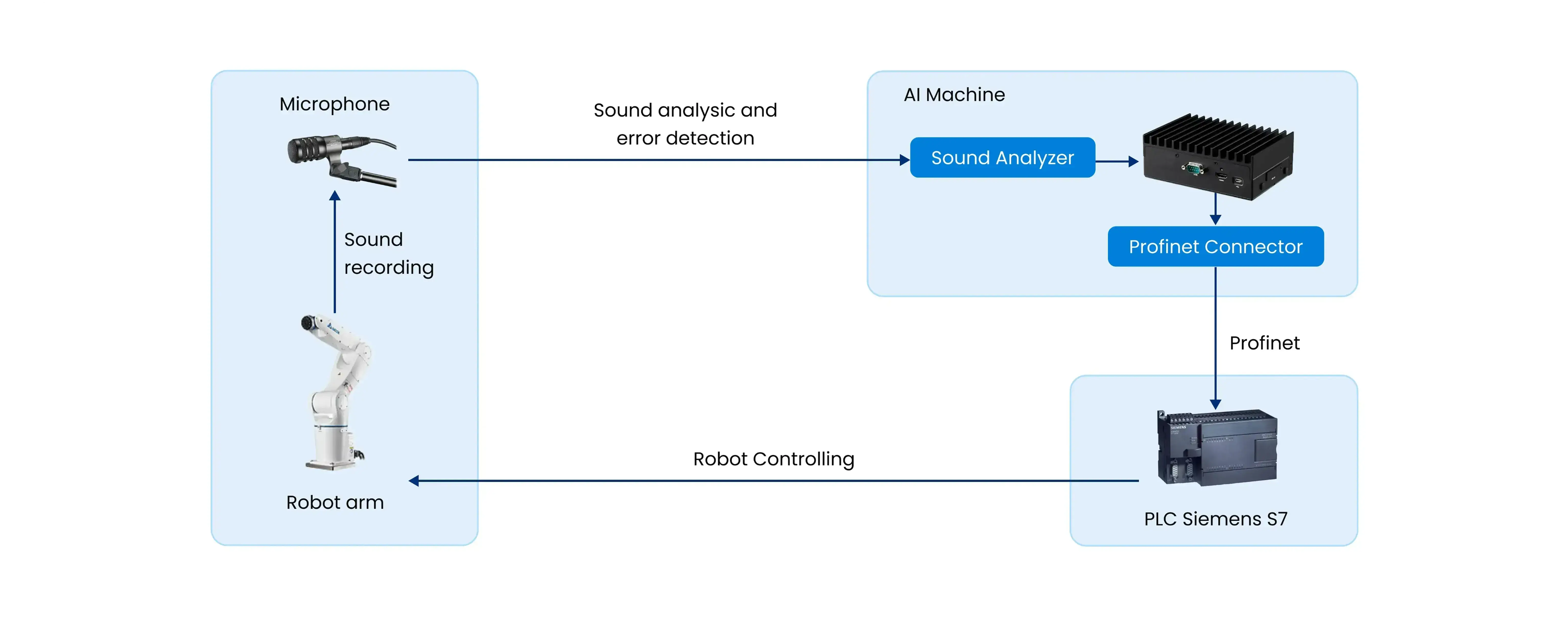
Leveraging advanced acoustic analysis, this solution identifies anomalies in real-time, optimizing manufacturing processes.
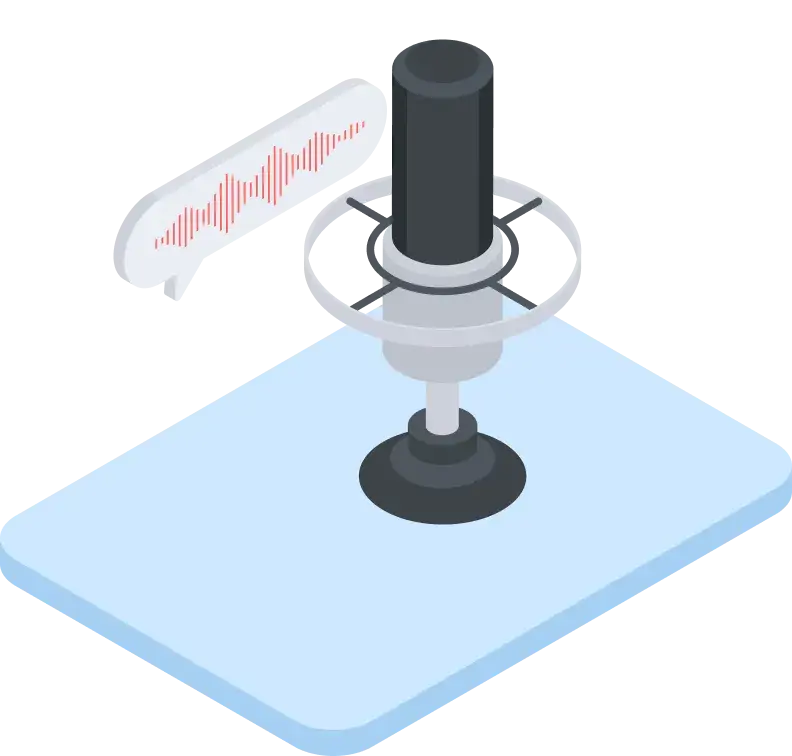
Capture high-fidelity acoustic data from machinery using precision microphones integrated with robotic arms

Employ advanced AI algorithms to analyze recorded sounds, instantly identifying abnormal patterns and potential defects
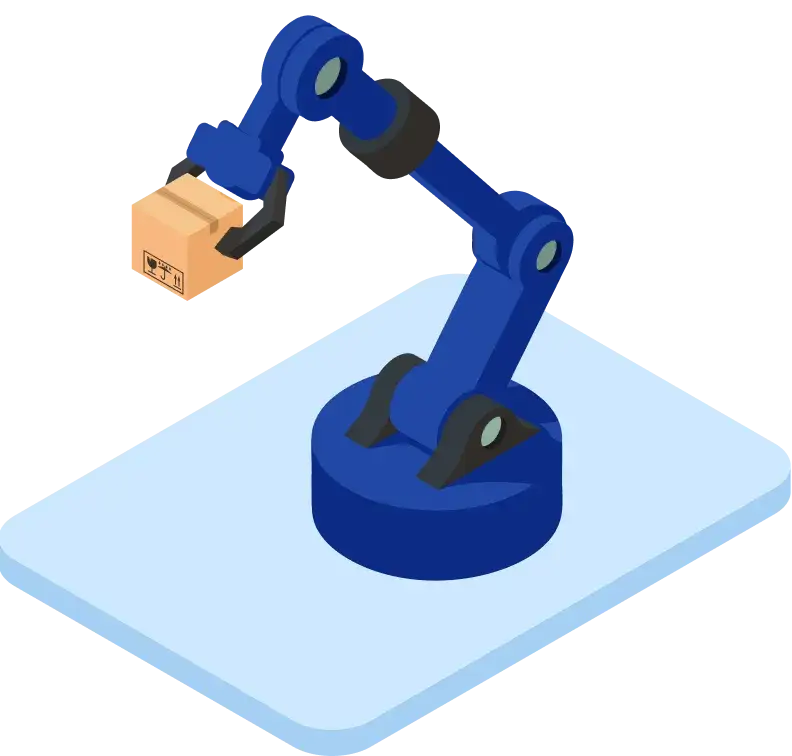
Facilitate automated responses and precise intervention by robotic arms, directly controlled by the system's error detection outputs

Elevates product quality through proactive, non-intrusive sound-based defect identification

Optimizes operational flow and minimizes downtime by quickly addressing emerging mechanical issues
AI-powered audio analytics enables real-time defect detection in production, helping businesses immediately remove faulty products directly on the manufacturing line.
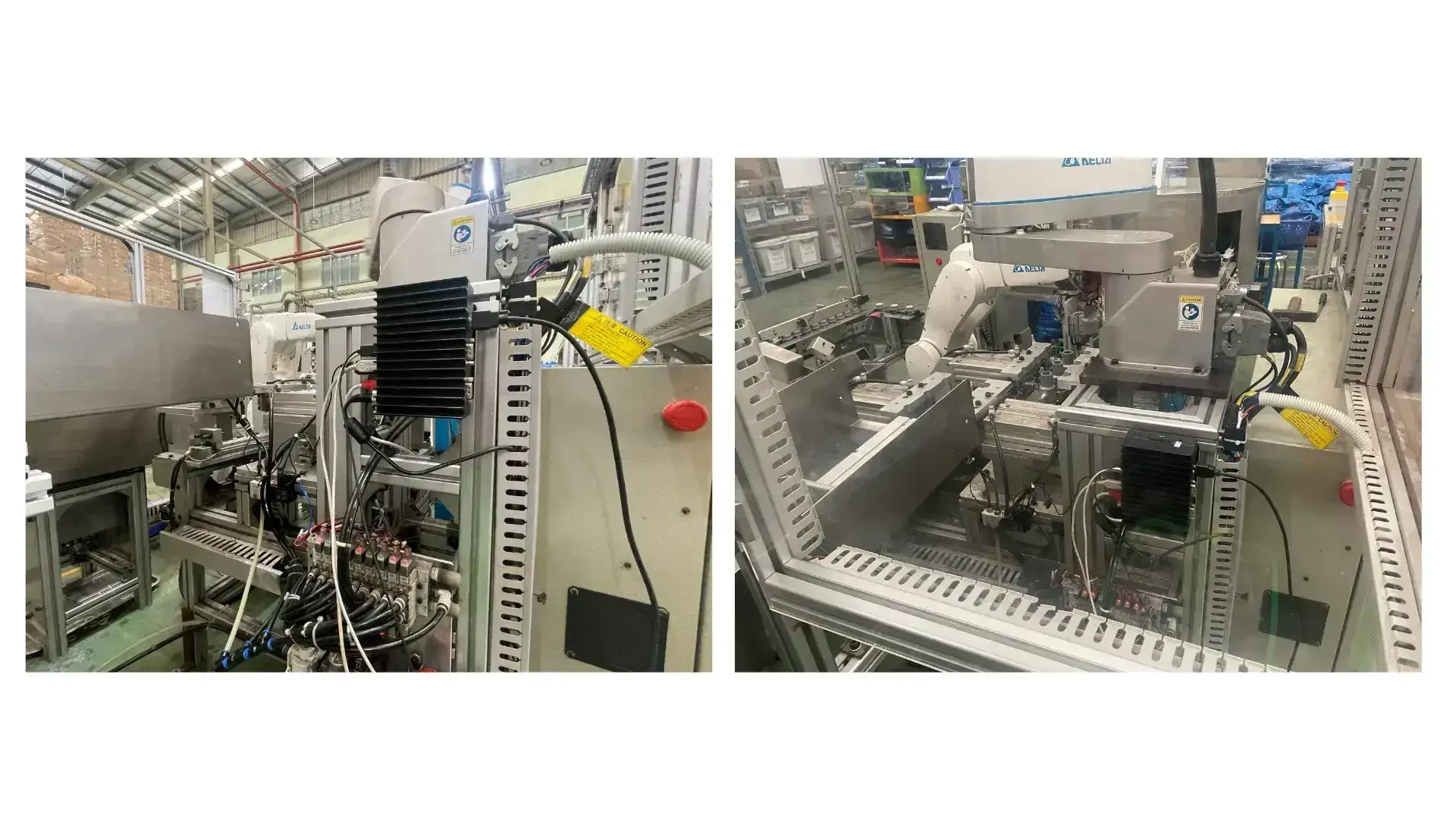
Project Highlights:
Deploying an AI-powered sound detection system to analyze acoustic signals generated during manufacturing. The system identifies subtle anomalies in real time, allowing operators to instantly remove defective items, raise product pass rates, and minimize equipment downtime through predictive maintenance.
About Client:
A leading Vietnamese manufacturing company specializing in plastic valves and pipes.
Client Challenges:
Persistent challenges in maintaining consistent product quality across production lines despite automation.
Defective items occasionally passed through undetected, leading to wasted materials and increased downtime.
Potential risks to brand reputation due to undetected faulty products.
Solutions:
Acoustic Signal Analysis: Continuously analyze audio signals generated during the manufacturing process to identify subtle sound anomalies indicating defective products.
Real-Time Visual Alerts: Display immediate visual warnings on a mini screen, enabling on-site operators to quickly remove faulty items from the production line.
Data-Driven Planning: Collect sound data to support quality reporting, trend analysis, and proactive maintenance planning.
Benefits:
Enhanced Product Quality: Raise product pass rates, greatly enhancing consistency and customer confidence.
Reduced Inspection Costs: Automate fault detection to reduce manual inspection needs, allowing the factory to scale production without increasing labor costs.
Minimized Equipment Downtime: Utilize real-time acoustic data for predictive maintenance to prevent unexpected machinery issues and improve overall operational efficiency.